
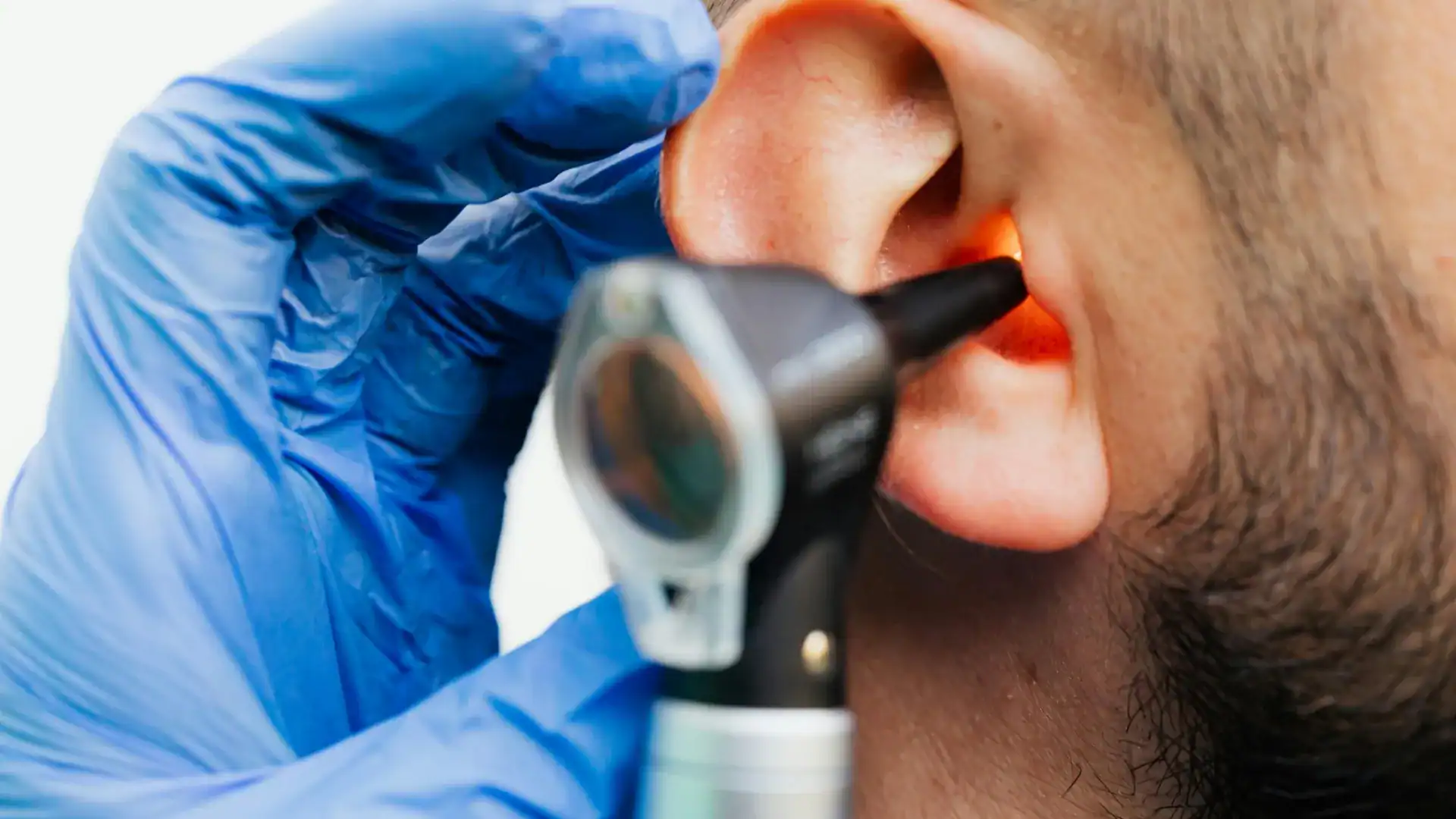
How Ear Infections Can Lead to Long-Term Hearing Issues
Ear infections often start as sudden discomfort or pressure and may be treated with antibiotics if bacterial, though viral infections usually resolve without medication. For many, they fade without leaving a lasting impact, which can create the misconception that infections are harmless once the pain subsides.
However, repeated or severe infections can damage delicate structures in the ear, potentially leading to long-term hearing issues. Lingering or recurring inflammation in the ear can subtly or permanently affect hearing.
How Infections Affect the Ear
Ear infections typically involve the middle ear, where fluid buildup behind the eardrum creates pressure and discomfort. Bacteria or viruses trigger inflammation, and the immune response can temporarily impair the transmission of sound. Short-term infections usually resolve without lasting effects. However, recurring or severe infections can damage the eardrum, tiny bones, or inner ear structures. Once these components are affected, the ability to conduct or interpret sound may be compromised, resulting in mild to significant hearing loss.
Children are particularly vulnerable because their Eustachian tubes are shorter and more horizontal, making fluid drainage more difficult. Adults with chronic sinus issues or immune system conditions also face increased risk. The structural vulnerability in these cases means that what seems like a minor infection can have consequences that extend far beyond the initial discomfort.
Subtle Signs of Lasting Damage
Hearing issues from ear infections may not be immediately noticeable. Some may only appear as difficulty following conversations in noisy environments, muffled sounds, or a slight ringing in the ears. These subtle changes often go unnoticed once pain subsides. Without proper assessment, long-term effects can progress quietly, reducing clarity in daily communication and increasing frustration in social settings.
Repeated infections can occasionally affect balance if the inner ear or vestibular system is involved. Vestibular damage may lead to occasional dizziness or a sense of imbalance, which can further disrupt daily life. Recognizing early indicators and seeking evaluation ensures that hearing and balance can be supported before the effects become entrenched.
Countering Misconceptions About Treatment
A common assumption is that antibiotics or short-term treatment always prevent long-term hearing issues. While medication can resolve an infection, it does not always undo damage to delicate ear structures. Over-the-counter remedies or home treatments may alleviate discomfort but cannot repair structural damage or prevent future complications. Understanding the limits of treatment encourages proactive follow-up and hearing monitoring after an infection.
Another misconception is that adults are immune to the long-term effects of ear infections. Even if childhood ear infections are mild, adults can experience persistent fluid buildup or undiagnosed damage that gradually affects hearing.
The Role of Early Screening and Assessment
Hearing screenings after repeated or severe infections provide valuable insight into potential long-term consequences. Early assessment identifies subtle hearing changes before they impact daily life, allowing for timely interventions. Objective testing measures the ear’s ability to process different frequencies and volumes, revealing deficits that may not yet be apparent in casual conversation.
Assessment also supports tailored solutions. For example, amplification devices can improve clarity if hearing loss persists after infection, particularly for sensorineural or mixed deficits, and assistive technologies or environmental adjustments can reduce the frustration caused by lingering deficits.
Long-Term Management Strategies
Managing hearing health after ear infections involves more than addressing pain or infection alone. Regular checkups, protective strategies against future infections, and attention to overall ear health all play a role. Preventive measures may include reducing exposure to environments with high infection risk, monitoring for recurring symptoms, and using gentle care practices to maintain ear function.
Ongoing support ensures that hearing remains functional even if some structural damage has occurred. When hearing challenges are identified, combining amplification, environmental strategies, and auditory training can restore confidence in daily interactions.
Conclusion
Ear infections can lead to long-term hearing challenges if left unmonitored or untreated. Recognizing the signs, following up after infections, and engaging in hearing assessments provide a path toward preserving clarity and comfort. Preventive measures, professional evaluation, and targeted interventions work together to reduce the lasting impact and maintain the quality of life.
A hearing assessment after repeated or severe infections detects damage early. Professional guidance offers strategies, from prevention to support for existing deficits, helping maintain clear, functional hearing.