
Hearing Aids at Desert Valley
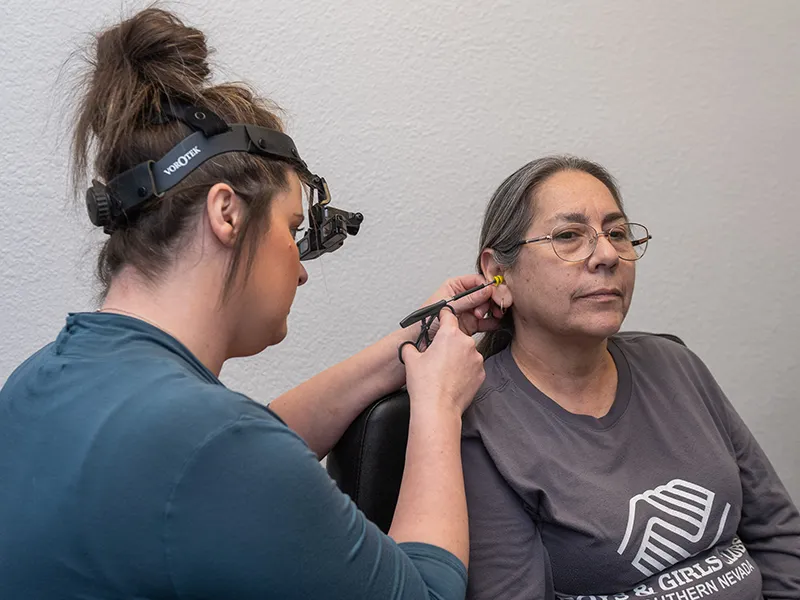
At Desert Valley Audiology, we work with the leading hearing aid manufacturers to offer our patients the most advanced technology available. Every recommendation we make is based on your unique hearing loss, lifestyle, and budget, so you can feel confident you're getting the right fit.
The Decision is Yours.
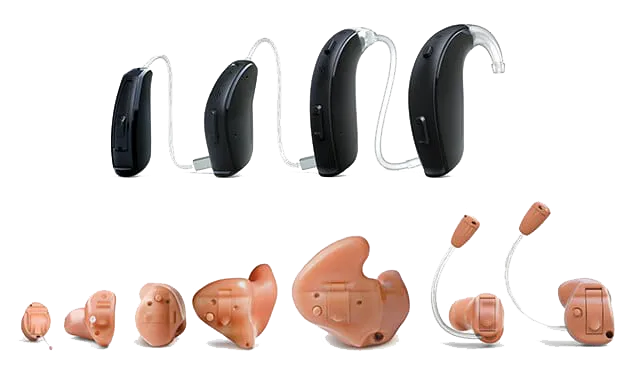
Hearing aids are available in several wearing styles to suit your lifestyle and preference. Depending on the severity of your hearing loss, most hearing aid models are available in the following styles:

Invisible-in-the-Canal (IIC)
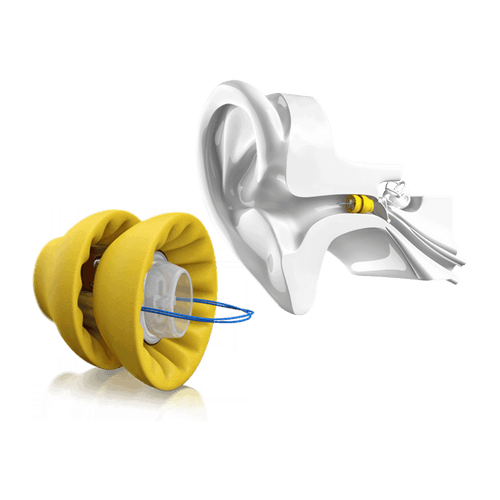
The invisible-in-the-canal hearing aid is the smallest style available, sitting deep inside the ear canal where it remains virtually undetectable. Like the CIC, the IIC is custom-molded to fit the individual ear canal and is used to treat mild to moderate hearing loss. Its deep placement in the ear canal gives it a natural sound quality and makes it less susceptible to wind noise.
Due to its very small size, the IIC may be difficult to handle for wearers with limited dexterity.
Completely-in-Canal (CIC)
Like the IIC, CIC hearing aids are custom molded and fit inside the ear canal. They are used to treat mild to moderate hearing loss. Due to their location in the ear, they are less likely than other models to pick up wind noise.
Because of their small size, CIC hearing aids may be difficult for wearers who have arthritis or mobility issues.
In-the-Canal (ITC)
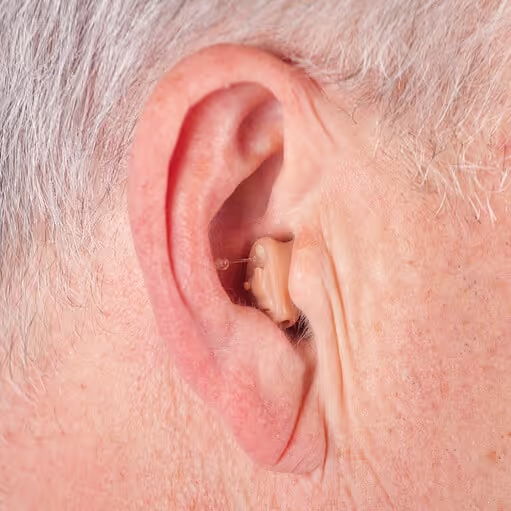
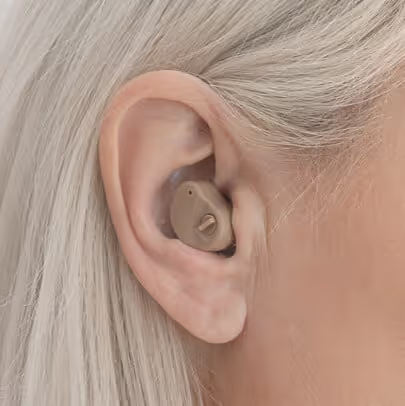
ITC hearing aids are made from a custom mold of the ear and are worn partially in the ear canal. ITC hearing aids treat mild to moderate hearing loss and allow wearers to adjust program and volume.
Because they are larger than IIC and CIC hearing aids, the program functions are easier to control, and they are more easily removed that the former two.
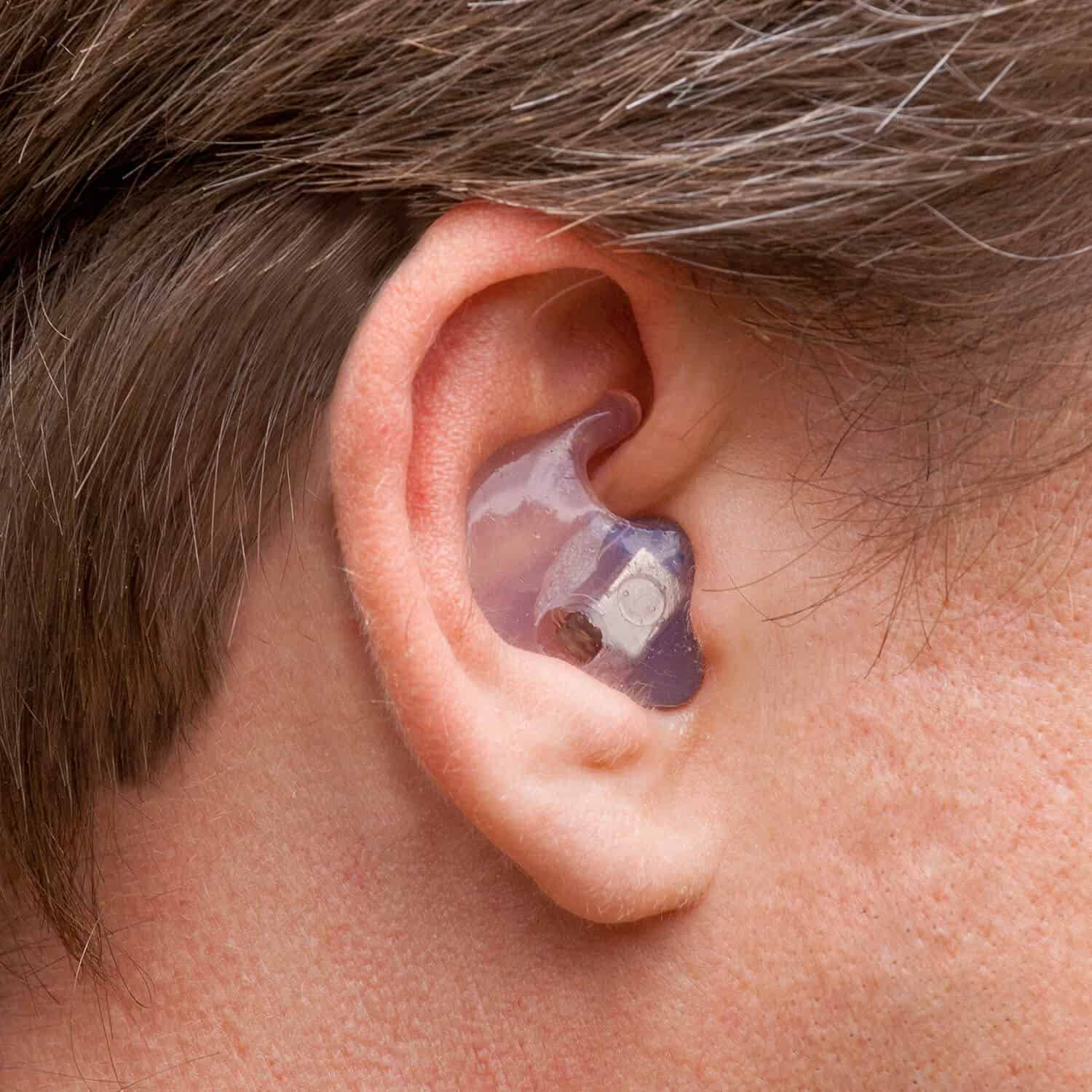
In-the-Ear (ITE)
ITE hearing aids are available in two styles: one that fills the surface of the ear, with the shell of the hearing aid sitting on the outer part of the ear (full shell) and one that fills the lower half (half shell). ITE hearing aids are designed to treat mild to severe hearing loss.
Their controls are situated on the shell which houses the electronic components inside, which make them easier for wearers to access. While they have better amplification than the above models, they are more susceptible to picking up wind noise.
Receiver-in-canal (RIC)
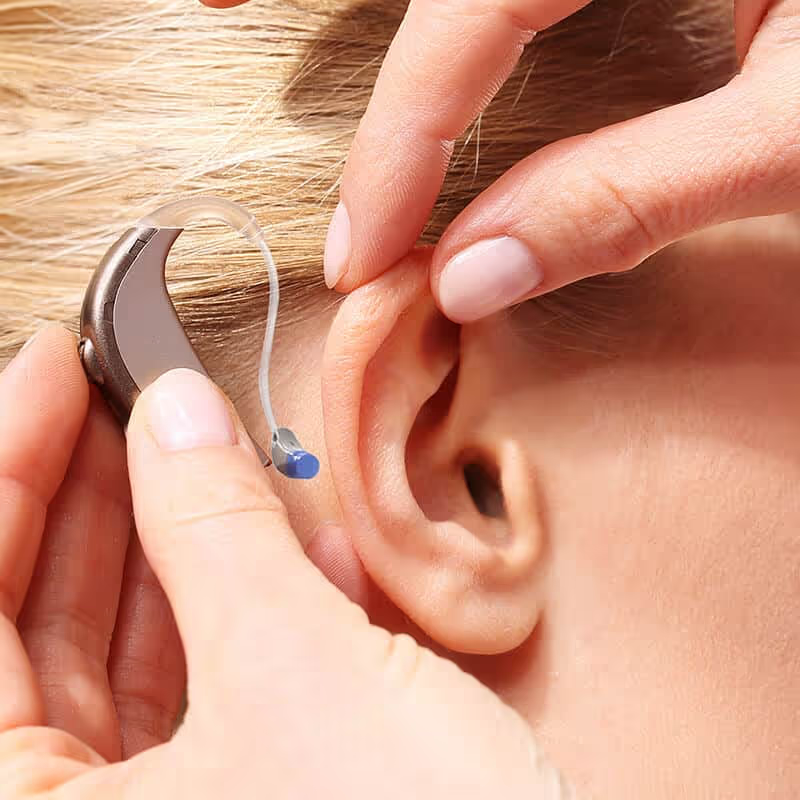
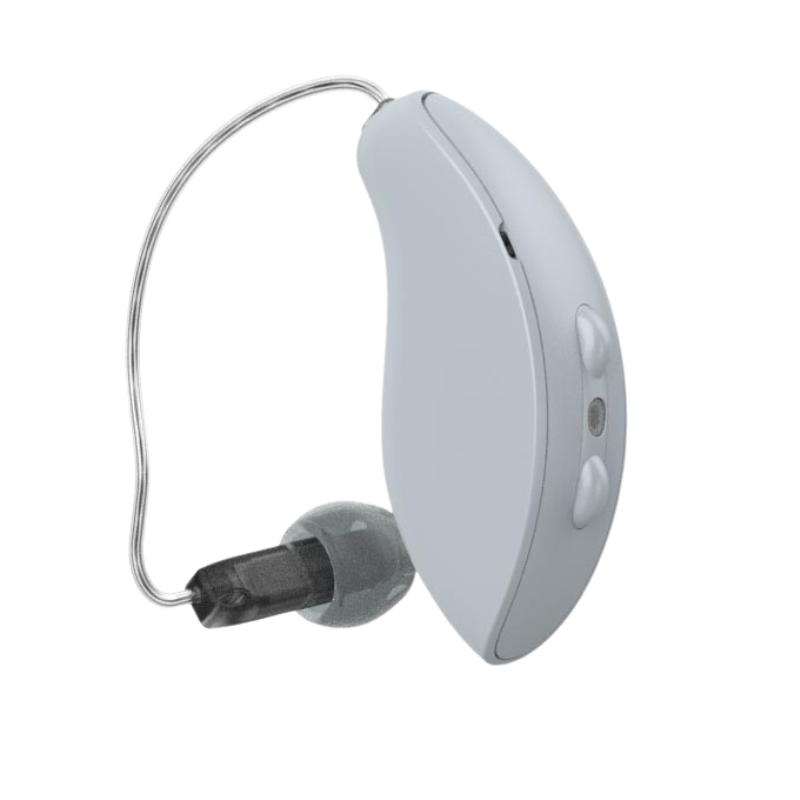
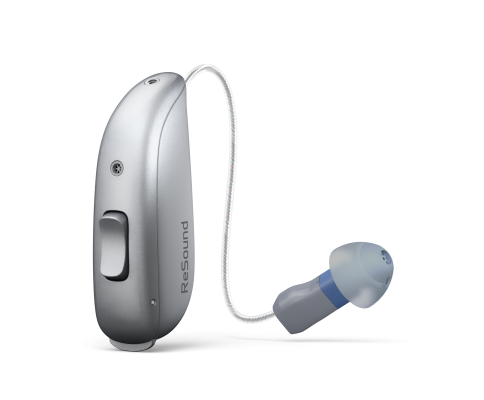
RIC hearing aids are worn behind the ear, with the speaker or receiver in the canal or in the ear. They differ from behind-the-ear hearing aids in that a thin wire connects all of the components of the RIC, rather than a plastic tube.
RIC hearing aids offer discretion, as they are less visible, but they are not recommended for people who wear glasses.
Behind-the-Ear (BTE)
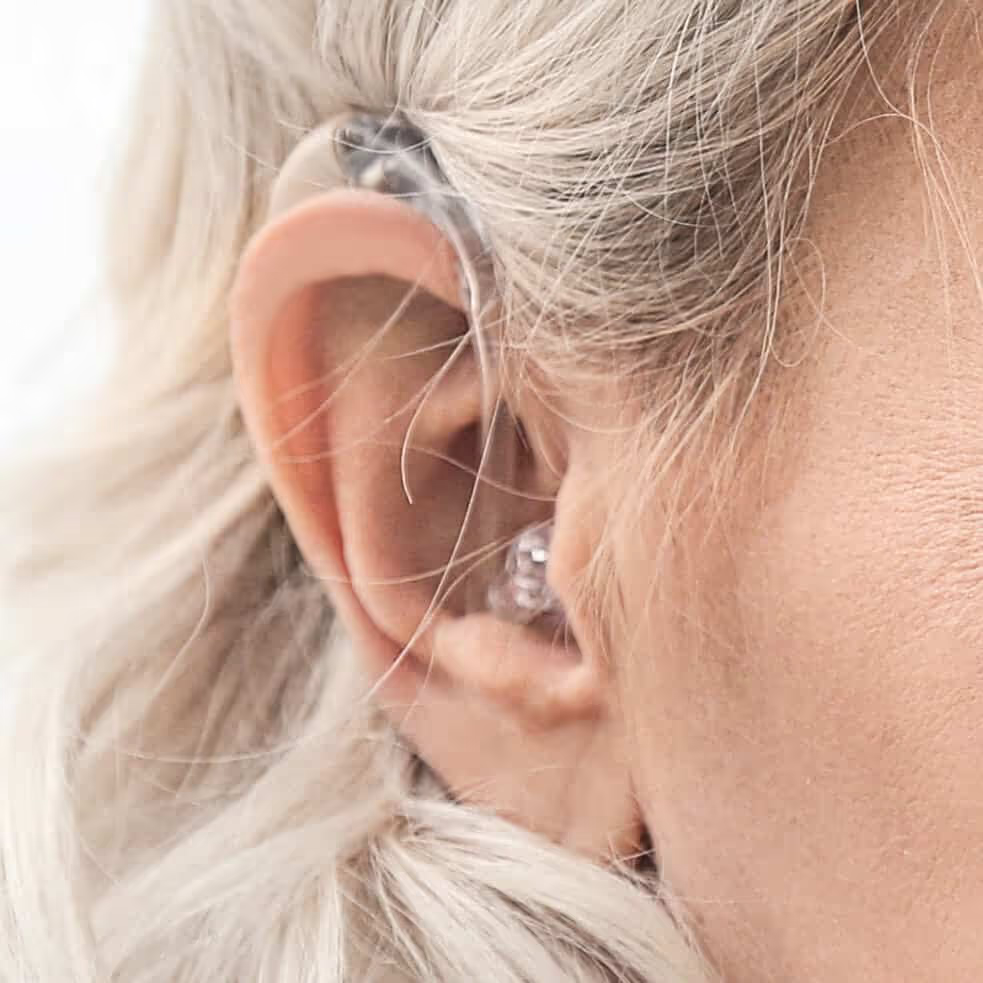
BTE hearing aids rest behind the ear, with a plastic tube matched to the wearer’s complexion, which connects the hearing aid to an earmold that fits inside the ear canal.
BTE hearing aids are versatile and treat almost every degree of hearing loss. Their design also varies, with newer models more discreet than ever.
Newest Hearing Aids
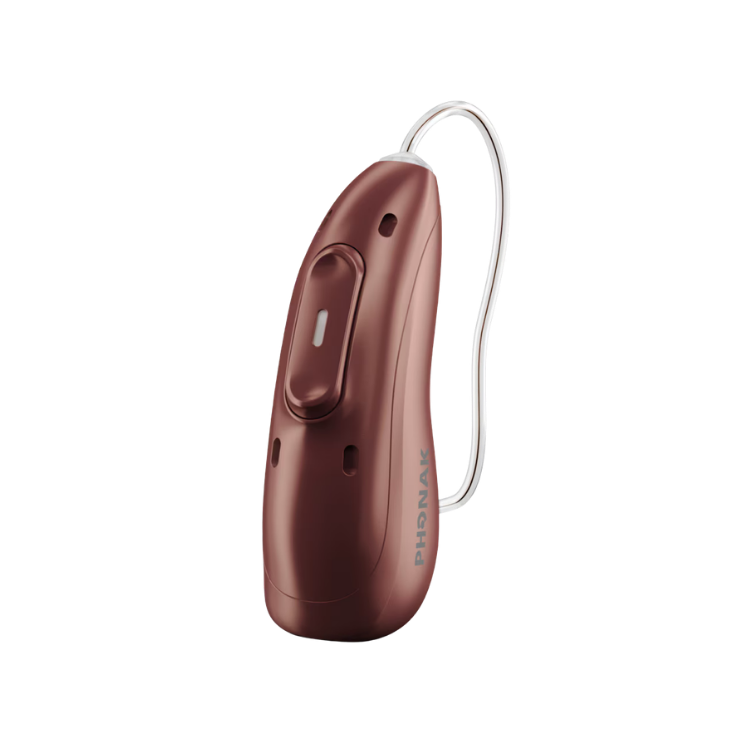
At Desert Valley Audiology, we are committed to offering our patients the most advanced technology available on the market. We believe that each patient should be presented options that take into account their unique hearing loss, lifestyle and their budget considerations, We work with all of the leading hearing aid manufactures to ensure that our patients have the best choices available.
.png)
.png)

Get in Touch with Us
Schedule your appointment at one of our four convenient Las Vegas valley locations.
Call us at 702-605-9133 or fill out the contact form.