
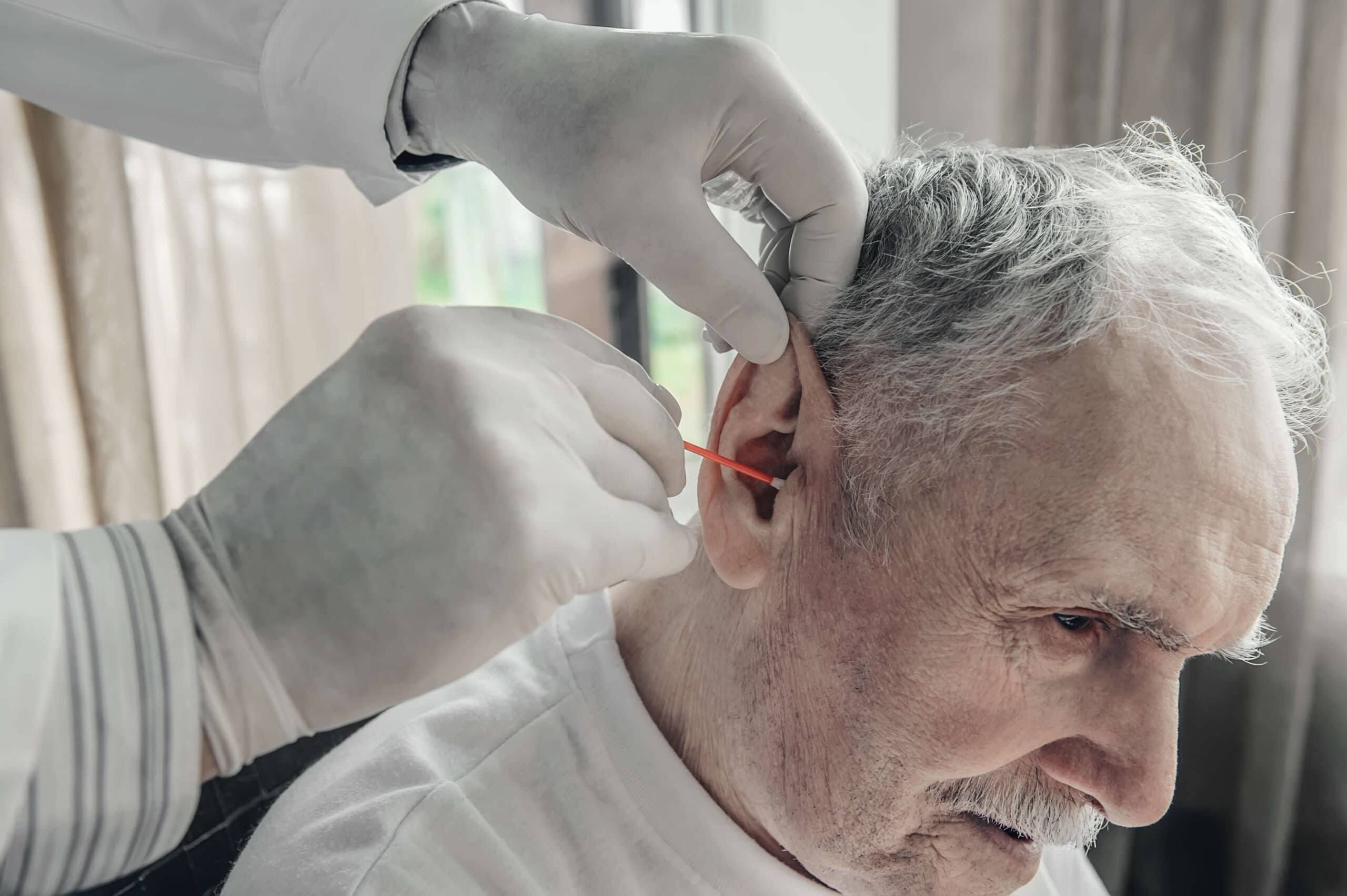
The Importance of Earwax
Earwax is a natural substance produced by glands in the ear canal. This waxy secretion combines with dead skin cells and other debris to form a protective layer inside the ear.
There are two types of earwax: wet and dry. Wet earwax tends to be sticky and yellowish, while dry earwax is more powdery and light-colored. Genetics typically determine which type a person produces, but both types serve the same essential purpose.
Protective Functions of Earwax
Ear wax acts as a barrier, protecting the ear canal from dust, dirt, and other foreign particles. This natural shield prevents these harmful elements from reaching deeper parts of the ear, such as the eardrum. Additionally, earwax has antibacterial and antifungal properties. By creating a slightly acidic environment, earwax inhibits the growth of harmful bacteria and fungi. This defense reduces the risk of infections, keeping the ears healthy.
Natural Cleaning Mechanism
Earwax plays an important role in the ear’s self-cleaning process. As the jaw moves, whether during talking or chewing, earwax moves slowly from the ear canal to the outer ear. Along the way, it picks up dead skin cells and other debris, carrying them out of the ear.
This natural process effectively cleans the ear canal without the need for external intervention. Understanding this process outlines the importance of earwax and the role it plays in maintaining ear hygiene.
The Risks of Over-Cleaning
While it might be tempting to remove earwax frequently, over-cleaning can lead to problems. Using cotton swabs or other objects to clean the ears can push wax further into the ear canal, causing blockages. This impaction can lead to discomfort, hearing loss, and even infections.
It is important to allow the ears to clean themselves naturally. In most cases, earwax will exit the ear on its own, ensuring cleanliness without intervention. If excessive earwax becomes a concern, consulting a hearing health professional for safe removal methods is a good choice.
Recognizing and Addressing Problems
As useful as it is, too much earwax can cause more issues. Symptoms of too much ear wax include decreased hearing, fullness of the ears, and painful earaches. Should these symptoms come up, it’s a good idea to schedule a hearing exam or a cleaning from a hearing health professional. They may use methods such as irrigation, suction, or specialized tools to extract the wax without causing harm.
Tips for Healthy Ear Care
Maintaining healthy ears involves understanding how to care for them properly. Here are some tips to keep ears in good condition without disrupting the natural benefits of earwax:
- Avoid inserting objects into the ear canal, including cotton swabs.
- Protect ears from excessive noise, which can stimulate the overproduction of earwax.
- Keep ears dry after swimming or bathing to prevent infections.
Visit us today if you’re experiencing persistent symptoms related to earwax buildup.