
How Cleaning Prevents Frequent Hearing Aid Repair
Hearing aids are amazing gadgets that can enhance a person’s daily life. They restore their focus to sound, enhancing music, conversations, and daily sounds. But for them to remain reliable, hearing aids require a lot of maintenance, like any other device.
Without proper cleaning, one can end up making a lot of repairs that were supposed to be inevitable. Constant cleaning won’t only keep the device looking new, but it will also prolong its life, guard against damage, and boost performance. Knowing why cleaning is important will prevent any needless repairs.
The Unnoticed Buildup That Leads to Issues
Close to the skin, hearing aids are always in use. They gather minuscule amounts of moisture, wax, and debris throughout the day. This accumulation over time may obstruct sound output, impair microphone functionality, or even harm internal parts. A gradual corrosion or clogging process precedes what appears to be an abrupt malfunction.
A hearing aid’s interior is sensitive. Even the tiniest particle can affect the sound quality or interfere with the device’s ability to charge. Frequent cleaning eliminates those unseen accumulations before they have a chance to do damage. Maintaining hearing aids for aesthetic reasons is not the goal. The goal is to shield the gadget from the kind of damage that needs early replacement or repair.
Why Cleaning Preserves More Than Just Audio Quality
Before their hearing aids fail, many people notice that they sound distorted or quieter. These modifications occur when receivers or microphones are blocked. Clearing the pathways allows sound to flow freely. Debris accumulation makes the hearing aid work harder, reducing battery life and putting stress on internal components.
Another unnoticed danger is moisture. Sweat or humidity, even in tiny amounts, can cause corrosion inside the device. Regular cleaning and drying procedures maintain the electronics’ stability and guard against long-term harm. This type of regular maintenance maintains the technology’s full functionality in addition to maintaining clear sound.
The Price of Ignoring Upkeep
Regular repairs also interfere with communication and everyday activities. Many repair problems start with avoidable damage, such as water exposure, wax-covered receivers, or blocked microphones. Cleaning every day for a few minutes could have prevented every repair trip.
Repairs can be costly, particularly if new parts are required. Small cleaning routines save a lot more money over time than the cost of sporadic upkeep. Hearing aids that are kept clean perform better, last longer, and yield more reliable results every day. Regular cleaning also lessens the chance of losing functional hearing aids when you need them most by identifying wear early on before it becomes a major issue.
Easy Routines That Maintain the Health of Hearing Aids
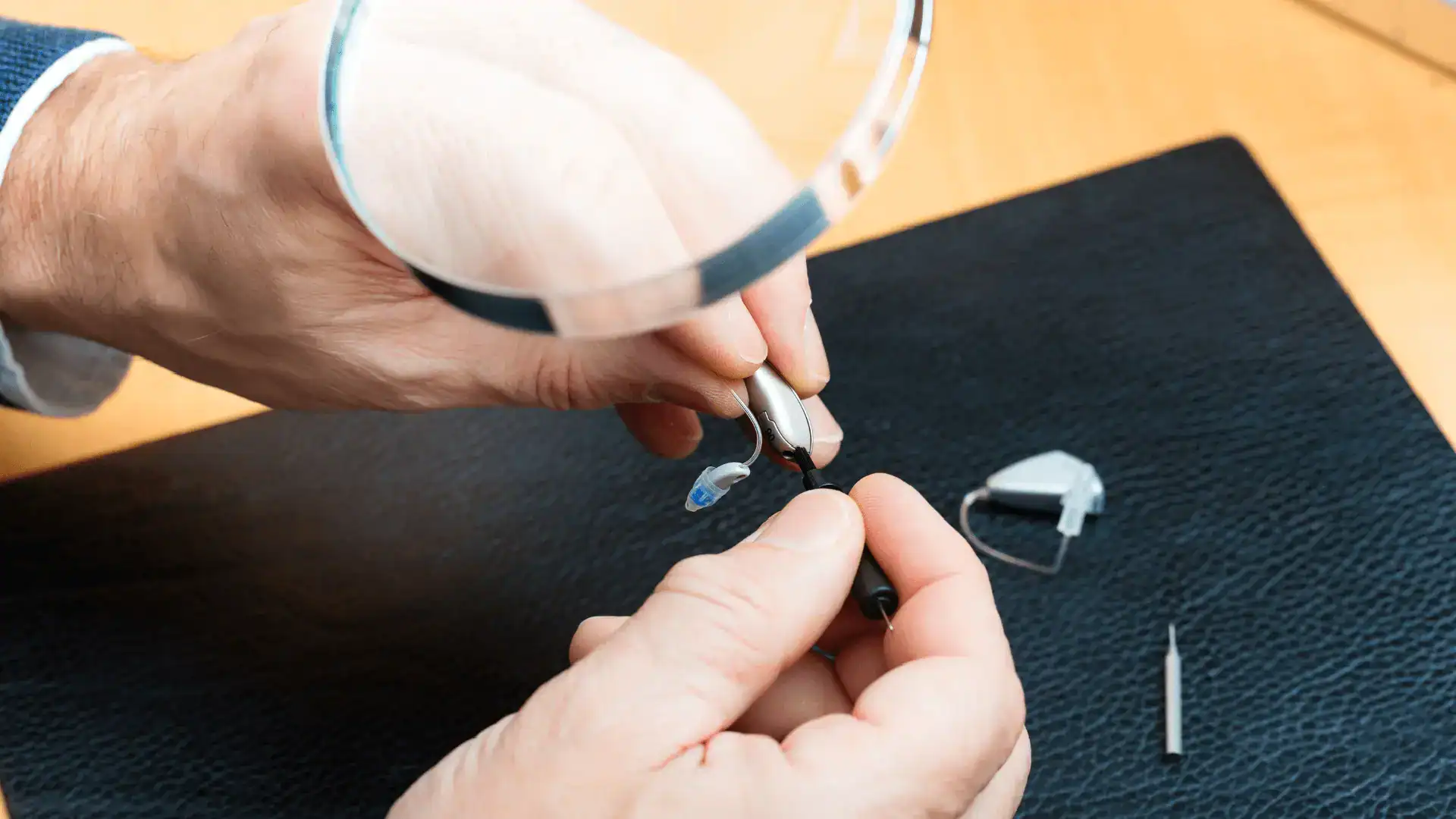
Professional expertise or complex equipment is not necessary for regular cleaning. The majority of hearing aids include tiny brushes and cleaning cloths for convenience. Oils and debris that build up from daily use can be removed with a quick wipe at the end of the day. To avoid clogging that could distort sound, gently brush away wax close to the microphone openings or sound outlet.
In the maintenance of hearing aids, moisture control is pretty important. Humidity that accumulates during the day can be eliminated by using a drying container or dehumidifier overnight. This practice guarantees that the hearing aids are clean and operational at the beginning of each day, in addition to extending their lifespan. A minor time commitment results in dependable operation and long-term advantages.
Maintaining the New Performance of Hearing Aids
A necessary component of everyday interaction and communication is hearing aids. Maintaining their cleanliness entails maintaining the strength of those relationships. Constant cleaning gives every conversation the clarity it needs and stops the slow damage that might require repairs. What’s more, clean hearing aids feel and look better, which promotes comfort and continuous use all day.
People who use hearing aids should schedule routine checkups with a hearing health professional and make cleaning a daily habit. Performance and longevity can be improved by professional cleaning and inspection. An unforeseen repair tomorrow might be avoided with a prompt appointment today. Hearing aids can continue to produce clear, dependable sound and be dependable companions for many years to come with easy, regular maintenance.